Tech
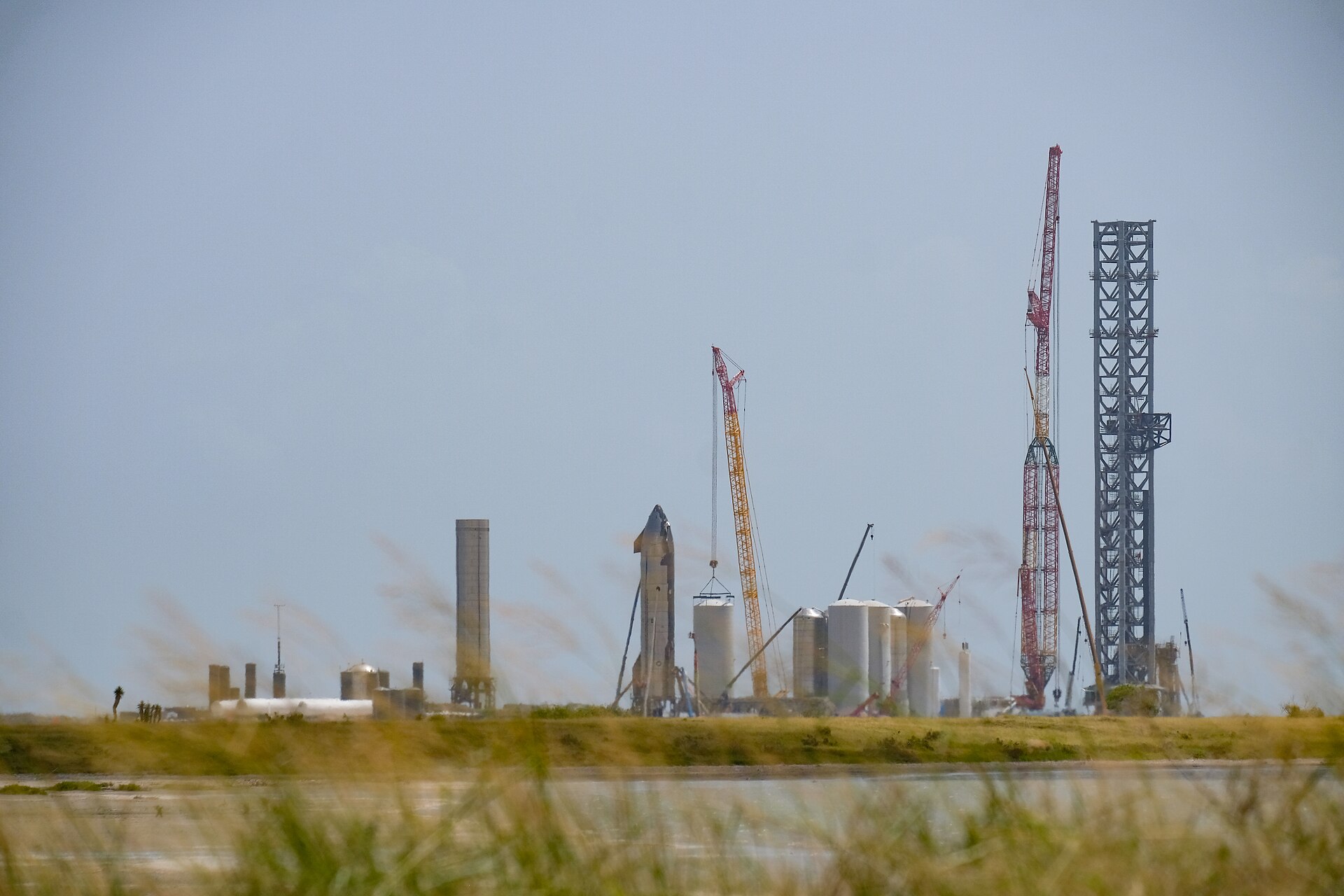
SpaceX Catches Starship From Orbit in Historic First
SpaceX caught its Starship spacecraft in the launch tower's arms after 14 orbits on Flight 15, a first for a vehicle returning from orbit.
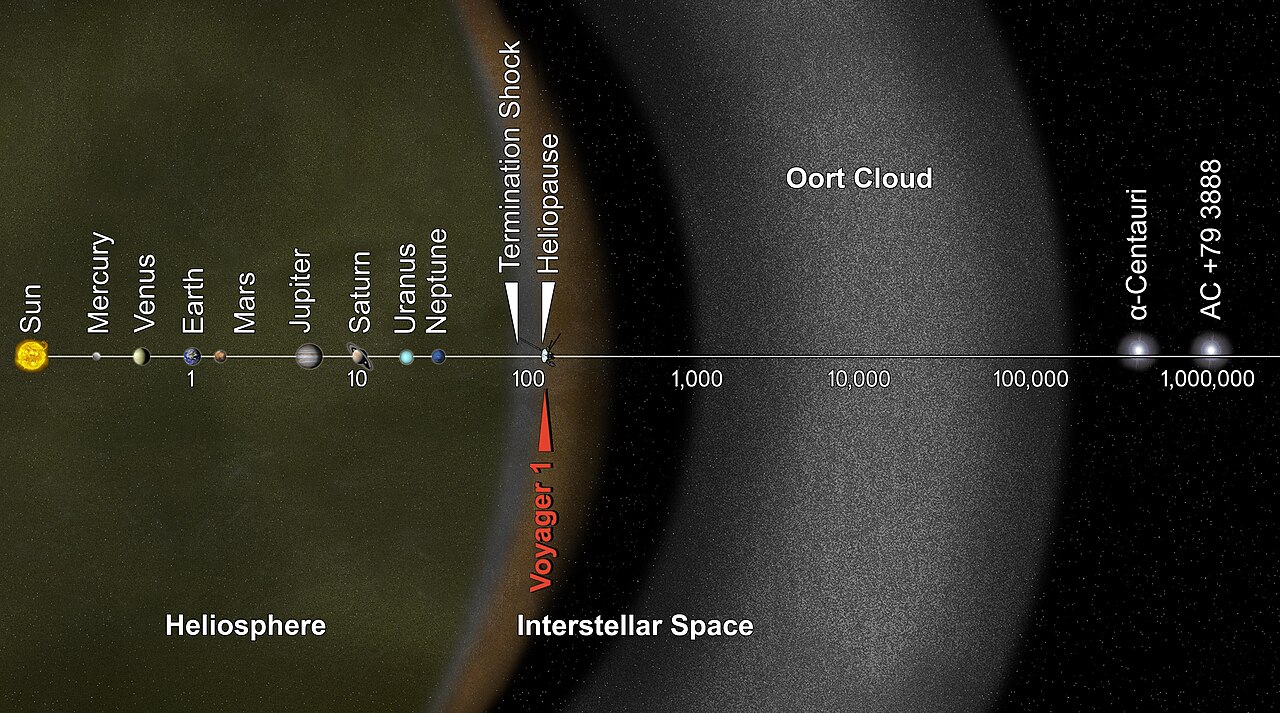
TL;DR — the direct answer: NASA's Voyager 1 has reached a distance of one light-day from Earth, becoming the first human-made object ever to get that far from home. The spacecraft crossed the threshold on Wednesday, 18 November 2026, at 10:16 UTC, when it stood about 25.9 billion kilometres, or 16.1 billion miles, from Earth. At that distance, a radio signal travelling at the speed of light takes a full 24 hours to reach the probe, and another 24 hours for the reply to come back, so every command now takes two days to confirm. Voyager 1 launched on 5 September 1977, more than 49 years ago, on a mission that was only supposed to last a few years. It has long since left the solar system and is now travelling through interstellar space, heading towards a star called Gliese 445 that it will not come close to for another 40,000 years. NASA confirmed the milestone on Wednesday, and the spacecraft is still sending back data on the space between the stars.
What happened: According to NASA's Jet Propulsion Laboratory, Voyager 1 crossed the one-light-day boundary at 10:16:07 UTC on Wednesday, 18 November, which was 5:16 in the morning on the US East Coast and 3:46 in the afternoon in India. At that moment the probe was about 25.902 billion kilometres from Earth, or 173.14 times the distance between the Earth and the Sun. A light-day is the distance light covers in 24 hours, travelling at 299,792.458 kilometres per second, so the crossing means Voyager 1's radio signals now take a full day to reach Earth. The milestone is measured from Earth rather than from the Sun, and because Earth orbits the Sun, the distance between the two can shrink during part of the year. But Voyager 1 is travelling outward so relentlessly, at about 17 kilometres per second, that even when Earth starts moving back towards it, the spacecraft will stay more than a light-day away. The crossing is permanent. NASA confirmed the milestone in a post from one of its official accounts on Wednesday afternoon, and the space agency's scientists have been counting down to it for weeks.
Why it's trending: Voyager 1 is the most distant human-made object in existence, and every milestone it passes is a reminder of how far a machine built in the 1970s has travelled. The probe was designed for a four-year tour of Jupiter and Saturn, yet it is still working after 49 years, two months and 13 days in space, long after its builders expected it to fall silent. The one-light-day mark captures the imagination because it turns an abstract distance into something human: a full day of light travel, a two-day round trip for a single command. It also underlines how alone the spacecraft is. It is more than four times as far from the Sun as Pluto, and more than five times the distance of Neptune's orbit, in a region where the Sun is just another star. The story has spread because it is a rare piece of good news about endurance and engineering, and because Voyager 1 has become a symbol of humanity's reach: a golden record carrying greetings from Earth, still travelling, still talking, almost a full day away by light.
Background / context: Voyager 1 launched from Cape Canaveral in Florida on 5 September 1977, aboard a Titan IIIE-Centaur rocket, 16 days after its twin, Voyager 2. The two spacecraft flew past Jupiter and Saturn, sending back the first close-up pictures of the giant planets and their moons, including the discovery of volcanic activity on Jupiter's moon Io. Voyager 1 then headed out of the plane of the solar system, while Voyager 2 went on to Uranus and Neptune. On 17 February 1998, Voyager 1 overtook Pioneer 10 to become the most distant human-made object ever. On 25 August 2012, at about 18.2 billion kilometres from the Sun, it crossed the heliopause, the boundary where the solar wind gives way to the thin gas between the stars, becoming the first human-made object to enter interstellar space. Its power comes from a plutonium-238 generator whose output fades a little each year, and eight of its original ten instruments have now been switched off to save energy. The four remaining instruments still measure the magnetic field, charged particles and plasma waves of interstellar space.
What we know / what's unconfirmed: Confirmed: the crossing time of 10:16:07 UTC on 18 November 2026; the distance of about 25.9 billion kilometres, or 173.14 astronomical units; the one-way light time of 24 hours and the round-trip time of 48 hours; the launch date of 5 September 1977; the heliopause crossing on 25 August 2012; the speed of about 17 kilometres per second, or roughly 61,000 kilometres per hour; and that Voyager 2 is expected to reach one light-day from Earth in November 2035. Linda Spilker, a planetary scientist at NASA's Jet Propulsion Laboratory, told ScienceAlert that when she first worked on Voyager in 1977, she never expected it to reach one light-day. Unconfirmed: exactly how much longer Voyager 1 will keep transmitting. NASA has said the probe could keep sending data into the 2030s, but the power supply is fading and the team switches instruments off one by one to keep the spacecraft alive, so no firm end date exists. The distance figures also vary slightly between outlets, with some rounding the distance to 26 billion kilometres and others giving 25.9 billion, and the speed is given as 17 kilometres per second by some sources and 61,000 kilometres per hour by others, which are the same figure expressed differently.
What happens next: Voyager 1 will keep travelling outward, adding about 1.5 million kilometres to its distance from the Sun every day, and its signals will take a little longer to reach Earth with each passing month. Its next big anniversary comes in the summer of 2027, when Voyager 1 and Voyager 2 will each have spent 50 years in space, on 5 September and 20 August respectively. The spacecraft is heading towards Gliese 445, also known as AC +79 3888, a star in the constellation Ursa Minor more than 17 light-years away. Voyager will pass within about 1.6 light-years of that star in roughly 40,000 years, by which time the star itself will have moved closer to the Sun. Long before then, the probe will fall silent as its power fades, and the golden record on board, carrying sounds and images of Earth, will outlive the spacecraft itself. For now, though, Voyager 1 is still talking, still measuring a region no other human-made object has ever visited, and still setting records almost half a century after it left home.
Q: What is a light-day?
A: A light-day is a measure of distance, not time: the distance light travels in 24 hours, moving at 299,792.458 kilometres per second. That works out to about 25.9 billion kilometres, or 16.1 billion miles, or 173.14 times the distance between the Earth and the Sun.
Q: When did Voyager 1 reach one light-day from Earth?
A: On Wednesday, 18 November 2026, at 10:16:07 UTC, which was 5:16 a.m. on the US East Coast and 3:46 p.m. in India. At that moment Voyager 1 was about 25.9 billion kilometres from Earth.
Q: How long does it take a signal to reach Voyager 1 now?
A: A radio signal travelling at the speed of light takes a full 24 hours to reach the spacecraft, and the reply takes another 24 hours to come back, so a command takes two days to confirm.
Q: When was Voyager 1 launched?
A: Voyager 1 launched on 5 September 1977 from Cape Canaveral in Florida, 16 days after its twin, Voyager 2. It was built for a four-year mission to Jupiter and Saturn, but it is still operating after more than 49 years.
Q: When will Voyager 2 reach one light-day from Earth?
A: NASA projects that Voyager 2 will reach one light-day from Earth in November 2035. Voyager 2 is travelling in a different direction and is about 21 billion kilometres from Earth.
Sources: Smithsonian Magazine — NASA's Voyager 1 Has Reached One Light-Day From Earth. It Is the First Human-Made Object in Space to Reach that Distance, ScienceAlert — It's Official! Voyager 1 Is The First Spacecraft To Reach One Light-Day From Earth, and DLR — Congratulations on the milestone: Voyager 1 is now one light-day away.
SpaceX caught its Starship spacecraft in the launch tower's arms after 14 orbits on Flight 15, a first for a vehicle returning from orbit.
Asian shares fell on Monday ahead of Nvidia earnings on Tuesday and Anthropic's debut on Thursday, in a week that will test the AI bull market.

OpenAI's quarterly revenue crossed $10 billion for the first time in Q3 2026, up about 50% from Q2, while its operating loss widened to $10.9 billion.