Viral
No, the Power Is Not Going Out Today: Nationwide Alert Test Explained
A nationwide Emergency Alert System test runs on TV and radio today at 2:20 p.m. ET. The power is not going out — the 90-day blackout claims are false.
TL;DR — the direct answer: No single glance can settle whether an image is AI-made: in a Microsoft study of more than 12,500 people, participants told real photos from AI images correctly only 62% of the time. The checks that still work start with the file's origin, not its pixels — a reverse image search, then a check for Content Credentials or a SynthID watermark — and only then move to what you can see: light and shadows, hands and text, and the small details.
What happened: AI image generators got good enough, fast enough, that the old checklist stopped working. A few years ago a fake photo usually gave itself away: too many fingers, gibberish text, melting faces. The models released in late 2025 and 2026 render hands, faces and paragraphs of text convincingly — and the research now puts a number on it. In a 2025 study from Microsoft's AI for Good Lab, more than 12,500 people judged about 287,000 images in an online 'Real or Not' quiz, and got the answer right only 62% of the time — barely better than a coin flip. People did best with portraits and worst with natural and urban landscapes. The researchers added the figure probably overstates what people can do today — the test images came from 2024-era generators. The question has changed: not 'does this look fake', but 'where did this file come from'.
The 7 checks: Run them in this order: the first three can give evidence, the rest only clues. 1. Reverse image search it. Upload it to Google Lens, Bing Visual Search or TinEye and see where it has appeared before — the fastest way to catch an old photo passed off as a new event, and it often turns up the original or a fact-check. An older copy proves the caption is misleading, not that the image is AI-made. 2. Check for Content Credentials. A signed C2PA record showing which camera or app made a picture and how it was edited. Upload the file to the free Content Credentials Verify site. Most images carry none at all, and finding none proves nothing — screenshots, re-saves and social uploads strip them away. 3. Check the watermarks. Google's SynthID watermark is woven into the pixels of images made with its AI tools — check in the Gemini app or at the SynthID Detector site. For possible OpenAI images, use openai.com/verify, which checks the same signals in ChatGPT, API and Codex images. Each check only catches its own maker's images: a clean result means that company's AI did not make it, not that no AI did. 4. Look at the hands and the text. Still worth a glance: extra or missing fingers, hands merging into objects, words misspelled or melting into shapes. Treat what you find as a clue, not proof — the newest models usually get both right. 5. Follow the light. Inconsistent lighting is now the most reliable visual tell: shadows pointing in different directions, reflections that do not match, a face lit as if the sun were in two places at once. 6. Zoom in on the small stuff. Look at the background, not the subject: garbled shop signs, warped logos, mismatched earrings or glasses, objects melting into each other. AI images are sharpest where you look first, weakest at the edges. 7. Check the source, not just the pixels. Who posted it, and does any trusted outlet carry the same image? A dramatic photo with no source, from an account you have never heard of, is the one to be most careful with.
Why it matters: Fake images now travel as news. They have been used to invent endorsements, fabricate events that never happened and supercharge scams — the FBI has warned that criminals use AI-generated content to facilitate fraud. A convincing fake can circle the world before anyone checks it, and the correction rarely travels as far as the original. The risk is not only being fooled once: once people learn that any image might be fake, real photos start getting disbelieved too. Checking an image before you share it is now basic hygiene, the same as checking a headline before you repeat it.
Background / context: Provenance tools — the tools that prove where an image came from — are spreading fast. Content Credentials, built on the C2PA standard and backed by Adobe, Google, Meta, Microsoft, OpenAI, Sony and the BBC, work like a signed label on the file. Google's SynthID watermark is different: hidden in the pixels rather than the metadata, it is designed to survive cropping, filters and compression, and since May 2026 OpenAI has applied it to ChatGPT images too. Since 2 August 2026, the EU's AI Act requires anyone publishing a deepfake to say so. The catch is coverage: most images online still carry no marks, because a screenshot or re-upload strips the metadata.
What we know / what's unconfirmed: Confirmed: these checks work, and each has a clear limit. A reverse image search can prove a caption is false. Content Credentials or a SynthID hit can prove which tool made an image. Nothing here can prove an image is real — a clean result only means no mark was found. AI image detectors deserve special caution: a detector's score is one weak signal, never a verdict. In a NewsGuard audit in May 2026, five popular detectors were run against 15 authentic news photographs; on average they flagged about 13% of the real photos as AI-generated, and one tool flagged 40%. Unconfirmed: for an image with no marks and no source, whether it is real often cannot be settled from the file alone — that is when the source, not the pixels, decides.
What happens next: If you still cannot tell, do not share it. Check whether a trusted outlet or a fact-checker has carried the image, or wait — the fakes that matter usually get checked within hours. The labelling is only going in one direction: more tools are adding watermarks, the EU's disclosure rules are now in force, and Google's SynthID Detector is open to everyone. But labels will take time to cover the images already circulating, and they will never cover them all. The habit that matters is the order: origin first, watermarks second, eyes last.
Q: Can you tell if an image is AI-generated just by looking at it?
A: Not reliably. In Microsoft's 2025 study of more than 12,500 people, participants were right only 62% of the time. Use the origin checks — reverse image search, Content Credentials and watermarks — before trusting your eyes.
Q: What is the single best check for an AI image?
A: A reverse image search, because it finds where the image appeared before and often turns up the original or a fact-check. Pair it with a Content Credentials or watermark check when the file still carries its data.
Q: Do AI image detectors work?
A: Only as one weak signal. In a NewsGuard audit in May 2026, popular detectors flagged about 13% of authentic news photos as AI-generated on average, and one tool flagged 40%. Never treat a detector score as a verdict.
Q: What should I do if I still can't tell whether an image is real?
A: Don't share it. Check whether a trusted news outlet or fact-checker has used the same image, or wait for one to check it. A clean result from every check is not proof that an image is real.
Sources: Microsoft AI for Good Lab — How good are humans at detecting AI-generated images?, Debunk.org — How to Spot AI Images and Deepfakes, and WhistleOut — How to Tell If a Photo Is AI-Generated or Edited.
A nationwide Emergency Alert System test runs on TV and radio today at 2:20 p.m. ET. The power is not going out — the 90-day blackout claims are false.
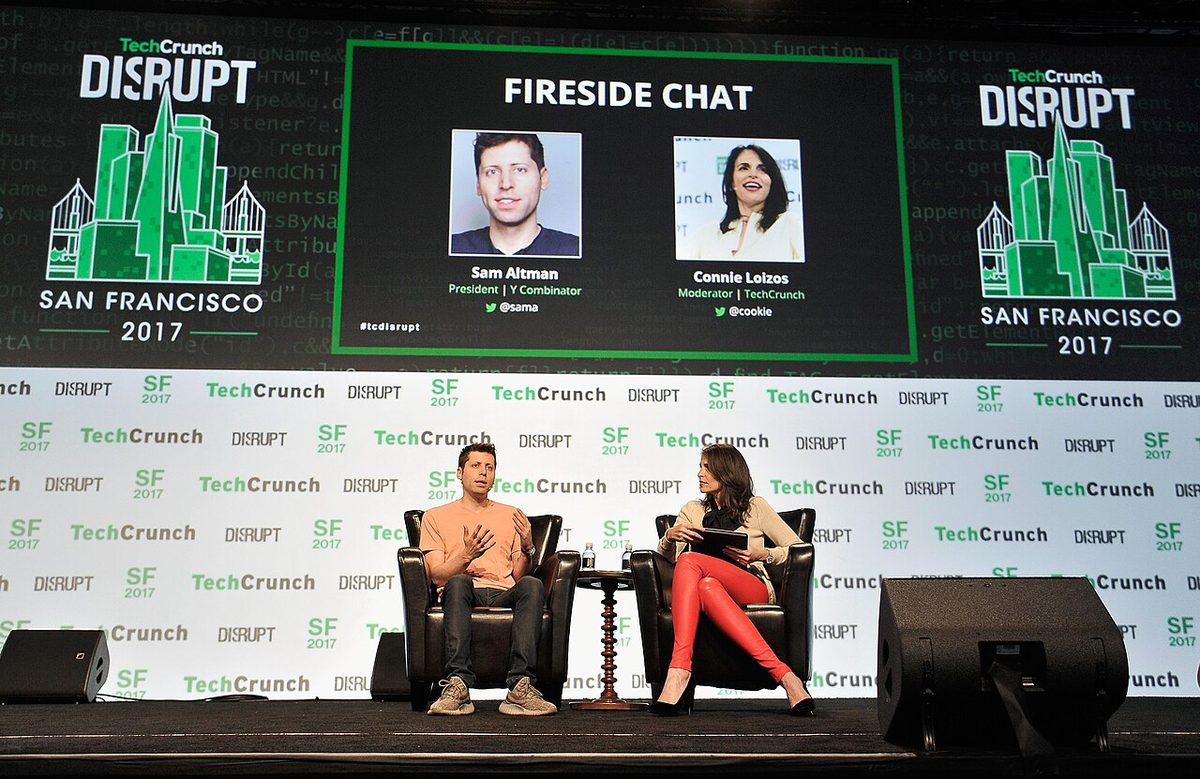
OpenAI's quarterly revenue crossed $10 billion for the first time in Q3 2026, up about 50% from Q2, while its operating loss widened to $10.9 billion.
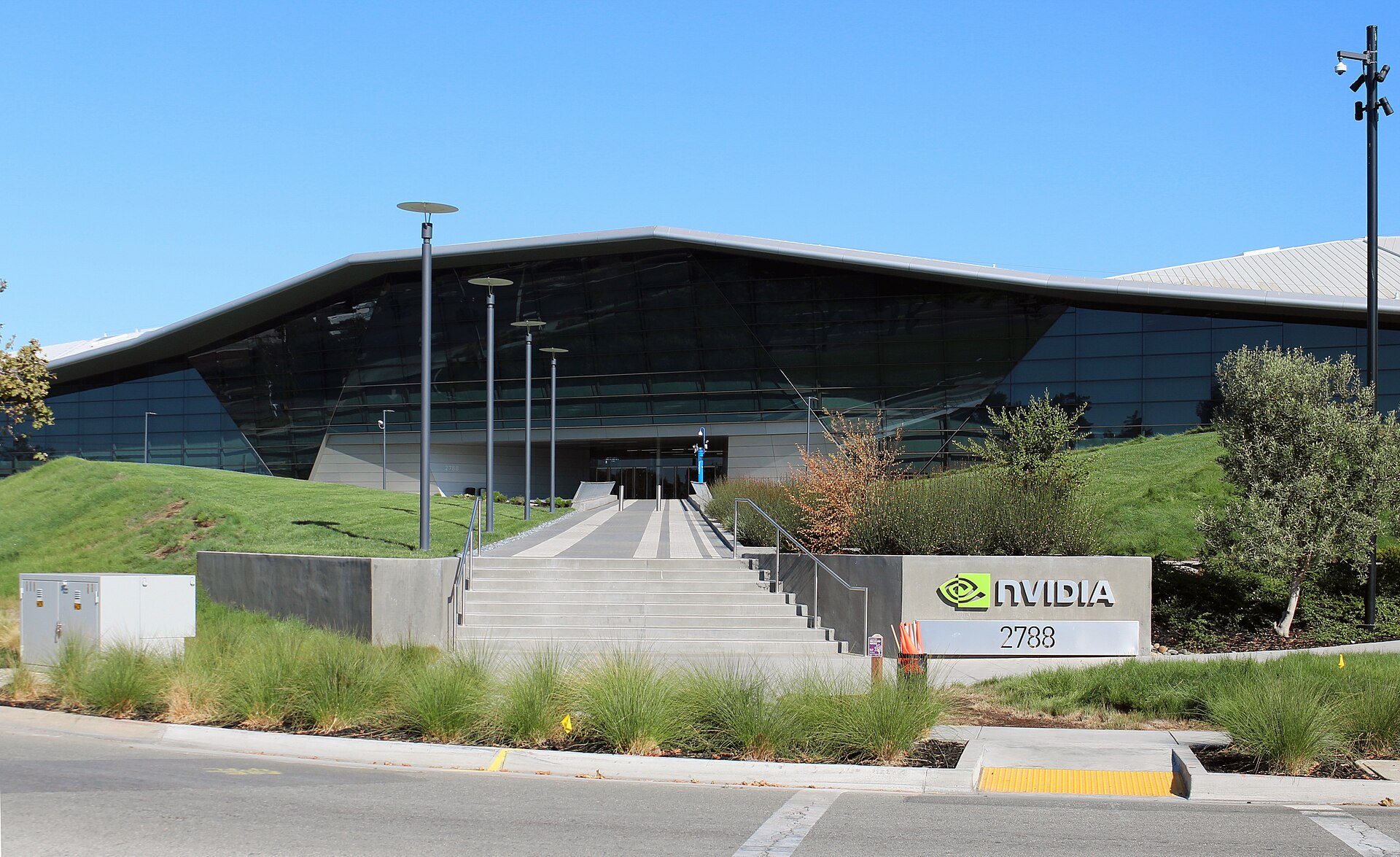
Asian shares fell on Monday ahead of Nvidia earnings on Tuesday and Anthropic's debut on Thursday, in a week that will test the AI bull market.