Tech
Italy Fines Meta 805 Million Euros Over Photos Taken Without Consent
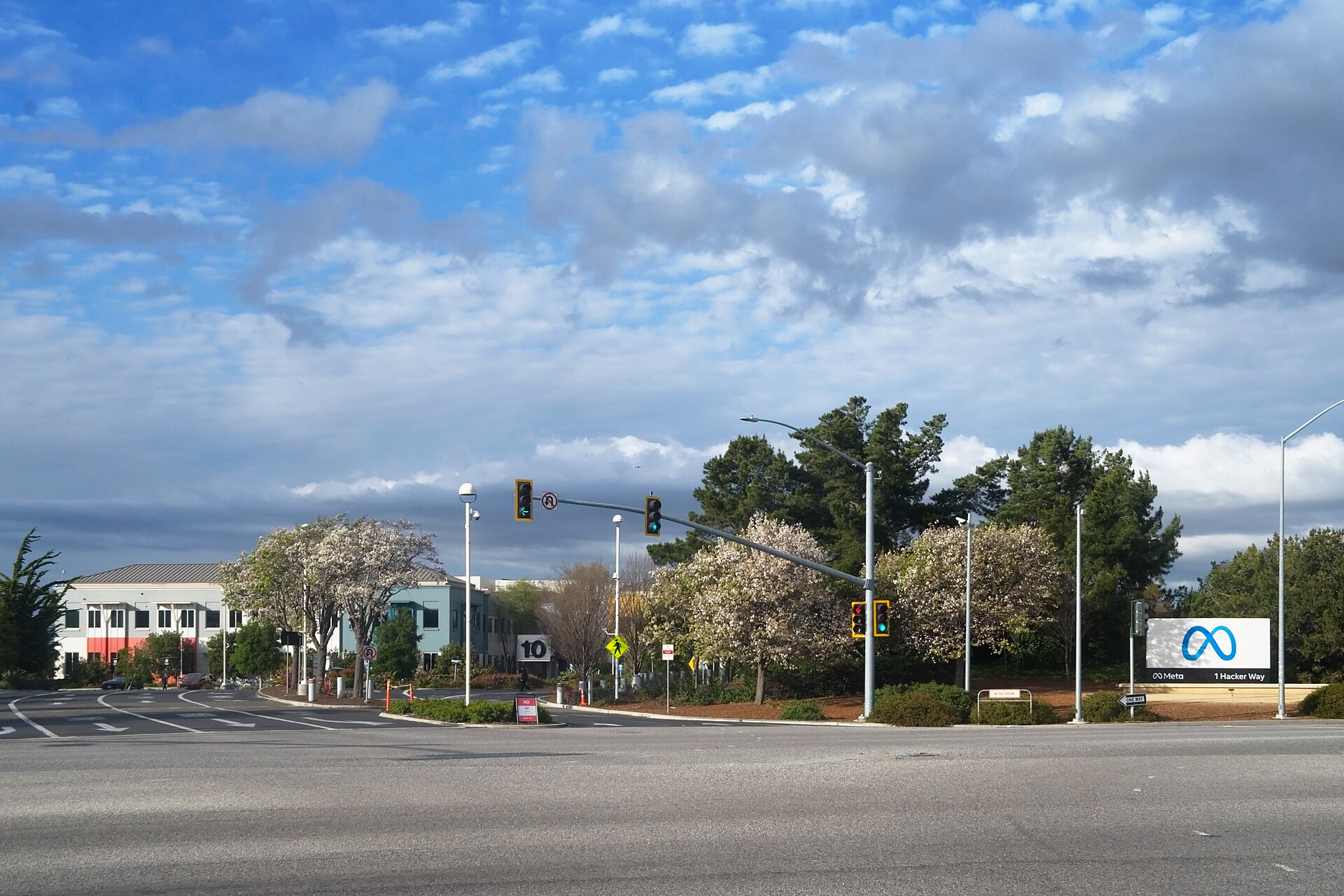
Italy has fined Meta 805 million euros after finding the Facebook app on Android phones accessed users' photos and videos without their specific consent.

TL;DR — the direct answer: The US Food and Drug Administration approved Roche's Wilserdly on Monday, 16 November, a new oral breast cancer drug to be taken together with everolimus. The approval covers adults with ER-positive, HER2-negative, ESR1-mutated locally advanced or metastatic breast cancer whose disease has come back or worsened after hormone-based treatment. It is based on the phase III evERA trial, in which 207 patients with ESR1-mutated tumours saw their risk of progression or death cut by 62 percent, with the cancer held in check for a median of 10 months against 5.5 months on standard therapy plus everolimus. Roche told Reuters it will cost 22,500 dollars a month, and it should be available in the United States in the coming weeks. One correction matters: some early reports called this an early-stage approval. That is wrong: this approval is for advanced disease only, and the early-stage use is still pending, with an FDA decision due on 30 November.
What happened: On Monday, 16 November, the FDA approved giredestrant, sold as Wilserdly, in combination with everolimus, for adults with oestrogen receptor-positive, HER2-negative, ESR1-mutated locally advanced or metastatic breast cancer, as detected by an FDA-authorised test. The approval covers patients whose disease recurred during or after endocrine-based treatment following surgery, or progressed on at least one endocrine-based regimen for metastatic disease. Wilserdly is a next-generation oral selective oestrogen receptor degrader, or SERD, designed to block oestrogen from binding to its receptor and trigger the breakdown of the receptor protein, slowing or stopping cancer cell growth. It is taken as a pill with everolimus, so patients can take the whole combination at home without injections. The FDA also authorised the FoundationOne Liquid CDx test as a companion diagnostic to identify patients whose tumours carry ESR1 mutations. Roche told Reuters the treatment will be priced at 22,500 dollars a month and should be available in the United States in the coming weeks.
Why it's trending: The approval matters because ESR1 mutations are the main reason hormone therapy stops working in this kind of breast cancer. Up to 40 percent of patients with hormone receptor-positive metastatic breast cancer develop ESR1 mutations that drive resistance, leaving few options as their cancer advances. Wilserdly is the first and only next-generation all-oral SERD combination to significantly outperform a standard endocrine combination in patients who have already had a CDK4/6 inhibitor, the usual first-line treatment, in a head-to-head phase III trial. The results were published in The New England Journal of Medicine on 1 October. For patients, the appeal is practical too: an all-oral regimen means no clinic visits for injections, a real difference in quality of life when treatment goes on for months.
Background / context: Breast cancer remains the most common cancer in women worldwide: 2.3 million women are diagnosed and 670,000 die from it every year. HR-positive, HER2-negative disease accounts for about 70 percent of cases, and more than 90 percent are diagnosed at an early stage. The standard first treatment is hormone therapy, usually combined with a CDK4/6 inhibitor, but resistance eventually develops, and ESR1 mutations are the most common cause. The evERA trial tested Wilserdly plus everolimus against a standard hormone therapy plus everolimus in 373 adults with ER-positive, HER2-negative locally advanced or metastatic breast cancer who had already had a CDK4/6 inhibitor and hormone therapy. Of those, 207 had tumours with ESR1 mutations. The trial was randomised and open-label, and its results were reviewed under the FDA's Project Orbis programme, which coordinates cancer drug reviews with regulators in other countries. Roche makes the drug through its Genentech subsidiary, and has led cancer medicine for more than three decades.
What we know / what's unconfirmed: Confirmed: the approval date of 16 November, the patient group it covers, the evERA figures, a median 10 months without progression against 5.5 months on standard therapy plus everolimus in the ESR1-mutated group, a 62 percent lower risk, and the price of 22,500 dollars a month. Confirmed too: the FDA is still reviewing Wilserdly as an adjuvant treatment after surgery for early-stage disease, based on the phase III lidERA trial, with a decision due by 30 November. If approved there, it would be the first SERD approved for both adjuvant and advanced ER-positive breast cancer, and the first new adjuvant hormone therapy in more than 20 years. The flag to be clear about: some early reports called Monday's approval an early-stage approval. That is wrong. Monday's approval is for advanced, ESR1-mutated disease only. Unconfirmed: the full side-effect picture, how widely insurers will cover a 22,500-dollar monthly price, and the overall survival results, still immature when the progression-free survival results were analysed, although an early trend favoured Wilserdly.
What happens next: Wilserdly should reach patients in the United States in the coming weeks, and doctors will need an FDA-authorised test to confirm an ESR1 mutation before prescribing it. The next date to watch is 30 November, when the FDA is due to decide on the adjuvant application for early-stage breast cancer. A yes there would extend the drug to patients with stage I, II and III disease at intermediate to high risk of recurrence, a far larger group. Roche is also seeking approval outside the United States, and the drug is being studied in six company-sponsored phase III trials across different settings. For patients whose hormone therapy has stopped working, the immediate change is simple: an all-oral option shown to hold the disease back for about twice as long as the standard combination.
Q: What did the FDA approve?
A: Wilserdly, also known as giredestrant, in combination with everolimus, for adults with ER-positive, HER2-negative, ESR1-mutated locally advanced or metastatic breast cancer that has returned or worsened after hormone-based treatment.
Q: Who can receive Wilserdly?
A: Adults whose cancer is ER-positive, HER2-negative and ESR1-mutated, as shown by an FDA-authorised test, whose disease recurred during or after hormone therapy, or progressed on at least one hormone-based regimen for metastatic disease.
Q: How well did it work in the trial?
A: In the 207 patients with ESR1-mutated tumours in evERA, the combination held the disease in check for a median of 10 months, against 5.5 months on standard therapy plus everolimus, a 62 percent lower risk of progression or death.
Q: How much does Wilserdly cost?
A: Roche told Reuters the treatment will be priced at 22,500 dollars a month. It is expected to be available in the United States in the coming weeks.
Q: Is Wilserdly approved for early-stage breast cancer?
A: No, not yet. Some early reports wrongly described Monday's approval as an early-stage one. The approval covers advanced disease only; the FDA is due to decide on the post-surgery, adjuvant use by 30 November, based on the lidERA trial.
Sources: Reuters — US FDA approves Roche's oral treatment for advanced breast cancer, GlobeNewswire — FDA approves Roche's Wilserdly (giredestrant), a next-generation oral SERD, and FDA — FDA approves giredestrant in combination with everolimus.
Italy has fined Meta 805 million euros after finding the Facebook app on Android phones accessed users' photos and videos without their specific consent.
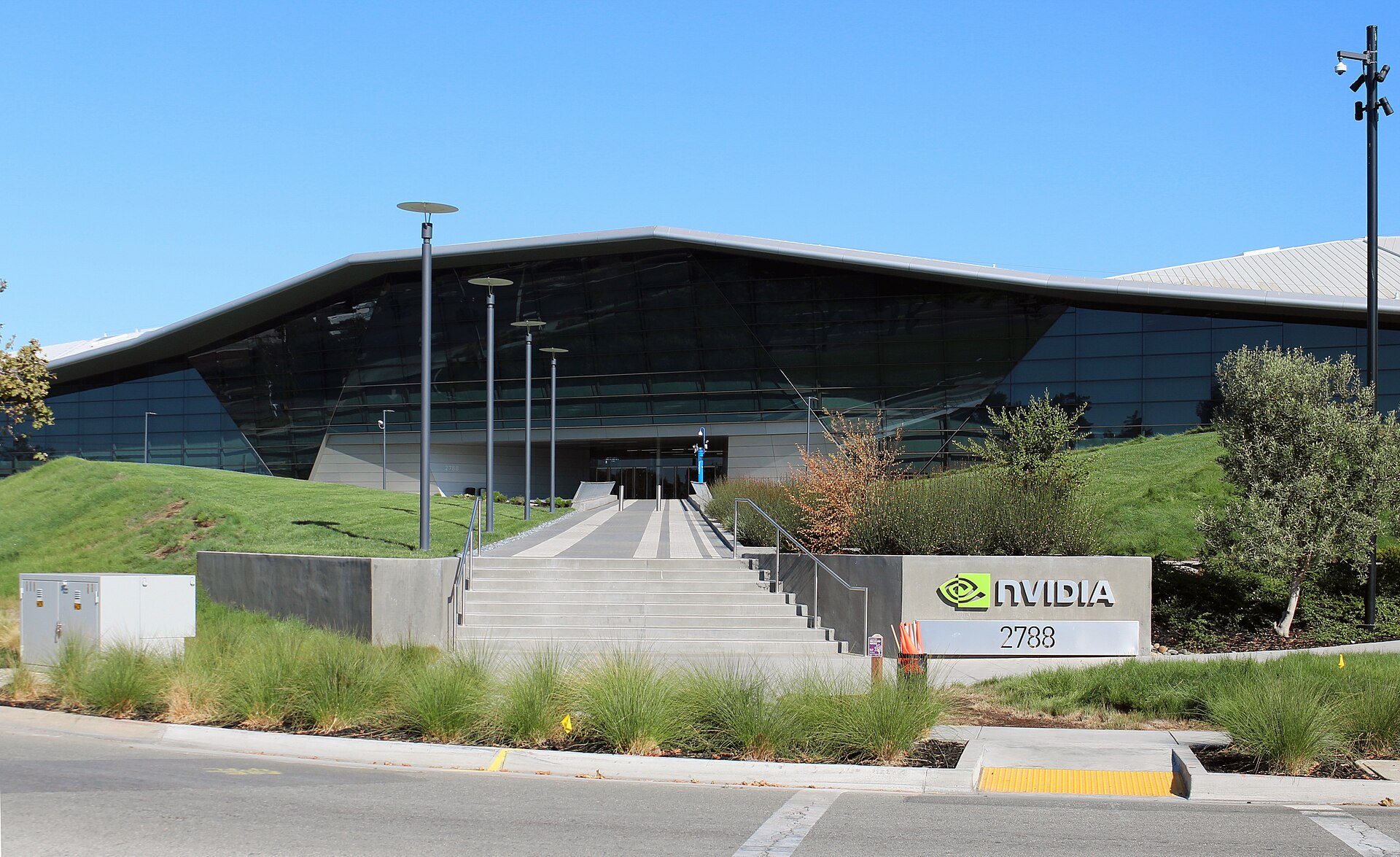
Asian shares fell on Monday ahead of Nvidia earnings on Tuesday and Anthropic's debut on Thursday, in a week that will test the AI bull market.

OpenAI's quarterly revenue crossed $10 billion for the first time in Q3 2026, up about 50% from Q2, while its operating loss widened to $10.9 billion.